Hardwood Floors Installation vs. Engineered Wood Flooring
People searching for hardwood or engineered flooring installation are typically looking to have durable, attractive flooring installed, and local contractors can provide expert installation services to meet their needs.
Choosing between hardwood floors installation and engineered wood flooring is a common consideration for property owners looking to enhance their spaces. Whether updating a single room or outfitting an entire home, understanding the differences can help make informed decisions that align with practical needs, such as durability, installation methods, and overall appearance. Local contractors who specialize in both types of flooring can provide valuable insights and expert assistance, ensuring that the final result not only looks great but also meets the specific demands of the property.
Exploring this topic is especially relevant for those planning renovations or new construction projects in the area, where factors like climate, subfloor conditions, and long-term maintenance come into play. By learning about the unique benefits and limitations of hardwood floors installation versus engineered wood flooring, property owners can better determine which option suits their lifestyle and property requirements. Connecting with experienced local service providers can help turn these considerations into a successful, lasting flooring solution tailored to individual preferences.
- Hardwood floors installation - homeowners planning a long-term, classic flooring upgrade often seek local pros to handle the precise installation process.
- Engineered wood flooring - those looking for a stable, moisture-resistant option for areas with fluctuating humidity may turn to service providers experienced in engineered flooring.
- Hardwood floors installation - clients with existing subflooring that requires leveling or preparation often rely on local contractors for expert installation.
- Engineered wood flooring - projects involving installation over concrete or in basements benefit from local pros familiar with engineered flooring techniques.
- Hardwood floors installation - individuals wanting to preserve the natural look of hardwood and ensure proper finishing often work with local specialists for a seamless result.
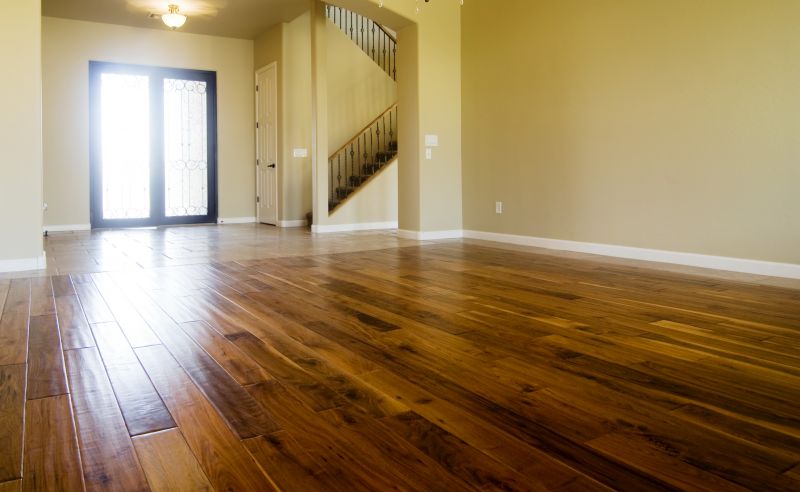
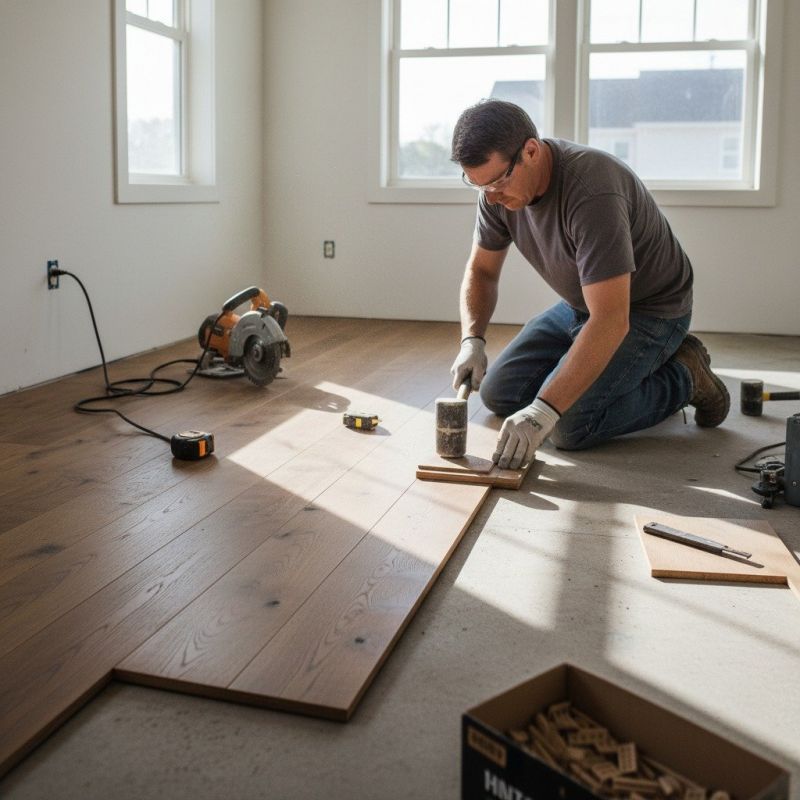
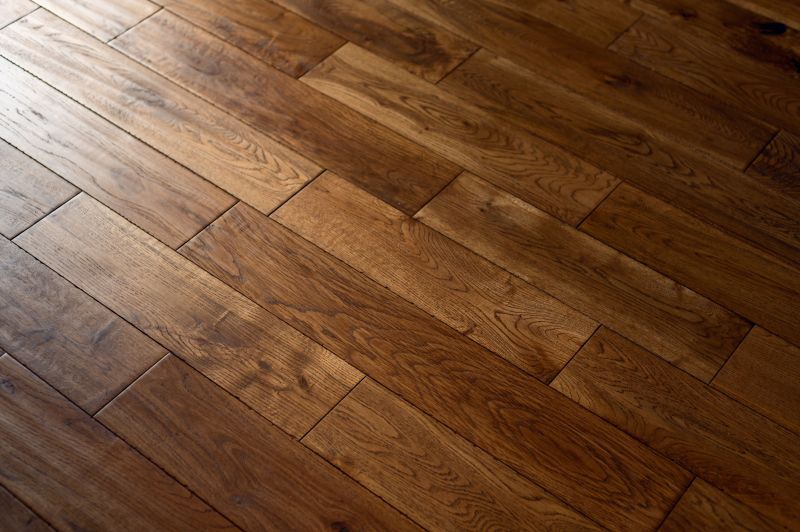
When homeowners search for information about hardwood floors installation versus engineered wood flooring, they are often trying to understand the fundamental differences between these two popular flooring options. Many are considering a new floor for a specific space, such as a living room, kitchen, or basement, and want to know which material will best suit their needs. This comparison typically involves evaluating factors like durability, appearance, installation requirements, and suitability for different environments. Understanding these distinctions helps homeowners make informed decisions about which type of flooring aligns with their aesthetic preferences, lifestyle, and the specific conditions of their property.
The topic of hardwood floors installation versus engineered wood flooring is closely tied to various property plans and renovation projects. For instance, homeowners may be upgrading an existing space, remodeling a basement, or installing flooring in a new construction. Each project can present unique challenges-such as moisture levels, subfloor conditions, or the desire for a particular look-that influence the choice between solid hardwood and engineered options. Problems like warping, expansion, or difficulty in installation are common concerns that local contractors experienced in both types of flooring can address. These professionals help evaluate the property's characteristics and recommend the most suitable flooring solution to ensure a long-lasting and attractive result.
Properties that come up most frequently in discussions about hardwood floors installation versus engineered wood flooring tend to include homes with varying levels of exposure to moisture, different subfloor types, and architectural styles. For example, traditional homes with stable, above-grade spaces often favor solid hardwood for its classic appearance and durability. Conversely, homes with basements, radiant heating, or higher humidity levels might benefit from engineered wood, which offers greater stability and resistance to environmental changes. Local service providers who specialize in flooring installation can assess these property features and advise on the best material choice, ensuring the flooring performs well over time and complements the property's design.
Ultimately, understanding the differences between hardwood floors installation and engineered wood flooring helps homeowners clarify their project goals and select the right product for their property. Whether the focus is on achieving a timeless aesthetic, accommodating environmental conditions, or simplifying installation, local contractors with expertise in both types of flooring can provide valuable insights and skilled installation services. Connecting with these service providers allows homeowners to explore options tailored to their specific property and project needs, making the process of upgrading or installing new flooring more straightforward and confident.
Subfloor Preparation - proper subfloor assessment and preparation are essential skills shared by professionals handling hardwood and engineered wood flooring installations.
Flooring Underlayment Installation - installing underlayment for moisture control and stability is a common task for contractors working with both hardwood and engineered flooring types.
Measuring and Layout Planning - precise measurement and layout planning are crucial steps that local service providers perform to ensure a seamless flooring installation.
Flooring Material Handling - managing and positioning flooring planks requires similar skills whether installing hardwood or engineered wood floors.
Transition and Threshold Fitting - installing transition strips and thresholds involves planning and skill sets applicable to various flooring projects, including hardwood and engineered options.
Tool Use and Safety Procedures - proficient use of cutting, measuring, and safety tools is fundamental for local contractors working on both hardwood and engineered flooring projects.
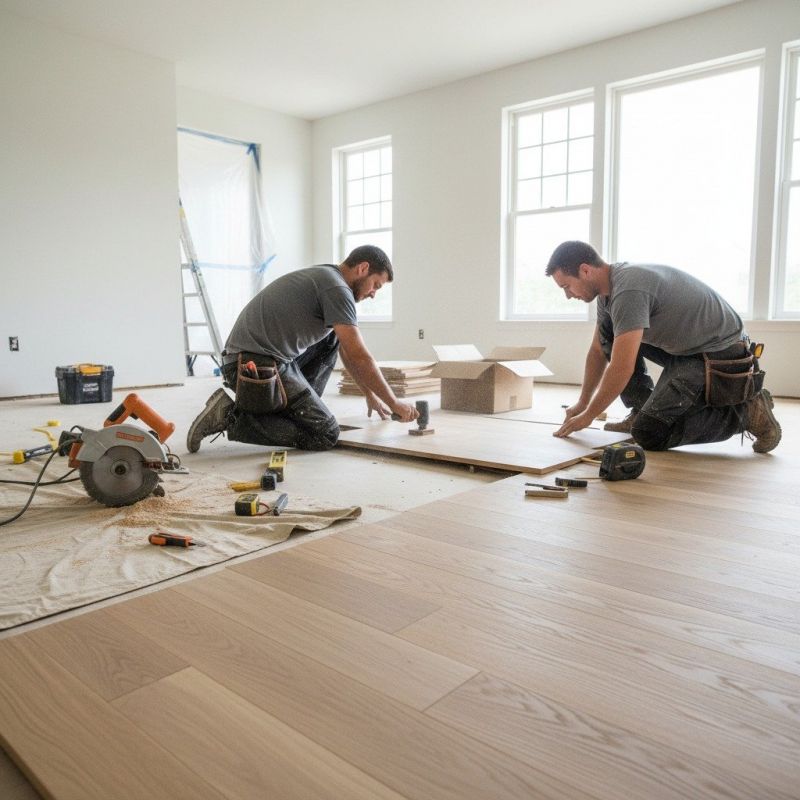
When evaluating service providers for hardwood or engineered wood flooring installation, it’s important to consider their experience with similar projects. Homeowners should inquire about the types of flooring they have installed in the past and whether they have worked with both hardwood and engineered options. A contractor with a proven track record in these specific flooring types can better anticipate potential challenges and ensure the job is completed to a high standard. Reputable local contractors will often be able to provide references or examples of previous work that align with the scope of the project, giving homeowners confidence in their expertise and reliability.
Clear, written expectations are essential when choosing a flooring installation service. Homeowners should seek detailed proposals that outline the scope of work, materials to be used, and any preparatory or finishing steps involved. Having this information in writing helps prevent misunderstandings and ensures everyone is aligned on the project’s goals. Service providers who communicate openly and provide comprehensive estimates demonstrate professionalism and transparency, making it easier for homeowners to compare options and select a contractor that aligns with their needs.
Good communication and reputable references are key indicators of a dependable flooring contractor. Homeowners should look for local pros who are responsive to questions, provide thorough explanations, and are willing to discuss different flooring options-such as hardwood versus engineered wood-based on the specific conditions of the space. Additionally, asking for references from previous clients can offer insights into the contractor’s reliability, work quality, and ability to meet deadlines. Choosing a service provider known for clear communication and positive feedback can contribute to a smoother installation process and a more satisfying final result.
Get a Quote for Hardwood Or Engineered Flooring Installation
Property owners often search for hardwood floors installation vs. engineered wood flooring when they are planning practical projects around their homes and businesses. Local pros provide Hardwood or Engineered Flooring Installation services for everyday jobs and straightforward project options.
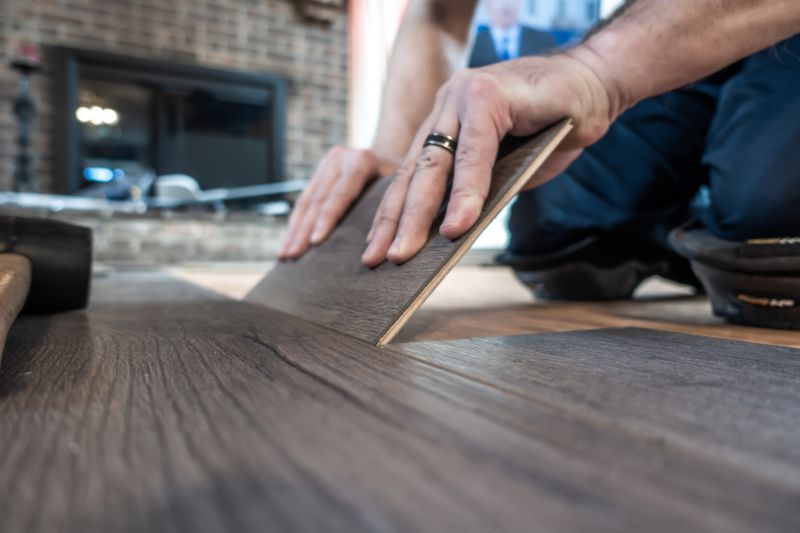

When considering flooring options for a home renovation or new construction project, property owners often explore the differences between hardwood floors installation and engineered wood flooring. Hardwood flooring offers a classic look and can add value to a property, but it requires careful installation to ensure durability and stability. Engineered wood flooring, on the other hand, provides a similar aesthetic with added versatility, especially in areas with higher moisture or temperature fluctuations. Homeowners in the area might look up this topic to understand which type best suits their space, lifestyle, and long-term maintenance needs, and to find local contractors who specialize in the installation of either flooring type.
Many property owners seek guidance on this topic to make informed decisions about their flooring projects. They may want to know about the installation process, material differences, and which option is more suitable for their specific environment or budget. Local service providers are often contacted to help evaluate the space, recommend the best flooring type, and handle the installation professionally. Whether choosing hardwood or engineered wood flooring, property owners can find experienced local contractors ready to assist with the project, ensuring the chosen flooring is properly installed to meet their expectations.
Get a Quote for Hardwood Or Engineered Flooring Installation
What are the main differences between hardwood floors installation and engineered wood flooring? Hardwood floors installation involves placing solid wood planks directly onto a subfloor, while engineered wood flooring uses layered plywood with a wood veneer top, offering different stability and installation options. Local contractors can advise on which method suits specific needs and environments.
Which type of flooring is more suitable for areas with high humidity? Engineered wood flooring generally performs better in high humidity or moisture-prone areas due to its layered construction, which reduces expansion and contraction. Local service providers can help determine the best choice based on the space conditions.
Can hardwood floors installation be done over existing flooring? Yes, in some cases, hardwood floors can be installed over existing flooring if the surface is stable and level. However, many local pros recommend removing old flooring for optimal results and durability.
Is it possible to install engineered wood flooring in a basement or below-grade space? Engineered wood flooring is often recommended for basements or below-grade areas because of its better resistance to moisture compared to solid hardwood. Local contractors can assess the space and suggest appropriate installation options.
What factors should be considered when choosing between hardwood floors installation and engineered wood flooring? Factors include the environment (humidity, moisture), subfloor type, desired appearance, and longevity. Consulting with local flooring professionals can help select the best option for specific conditions and preferences.
Choosing the right flooring type - property owners can explore options for hardwood floors installation vs. engineered wood flooring based on their home's environment and usage.
Assessing durability needs - homeowners can consider how each flooring type withstands foot traffic and moisture in different areas of their property.
Matching style with practicality - selecting between hardwood and engineered wood can help property owners achieve their desired aesthetic while considering installation locations.
Finding experienced service providers - property owners can seek local contractors who specialize in both hardwood and engineered wood flooring to ensure proper installation suited to their project.
If you are thinking about hardwood floors installation vs. engineered wood flooring for a property, this guide is meant to help you understand this topic, the typical project types, and how different options might fit your plans.
When you are ready, you can use the quote form on this page to share a few details about your project. From there, local pros can review the basics and follow up with options that match what you have in mind.
Get a Quote for Hardwood Or Engineered Flooring Installation